Introduction: Yin-Yang Balance and Eating According to the Seasons
Traditional Chinese Medicine emphasizes "harmony between heaven and humanity," where the ebb and flow of yin and yang in the human body are closely related to the changing seasons. If we don't follow nature's rhythm and over-supplement or over-drain, it may disrupt the balance. The dietary method of harmonizing yin and yang is based on the concept of "food and medicine having the same origin." It regulates the spleen, stomach, and blood and qi gently by choosing seasonal, natural ingredients, allowing the body to receive the most comfortable nourishment throughout the changing seasons.
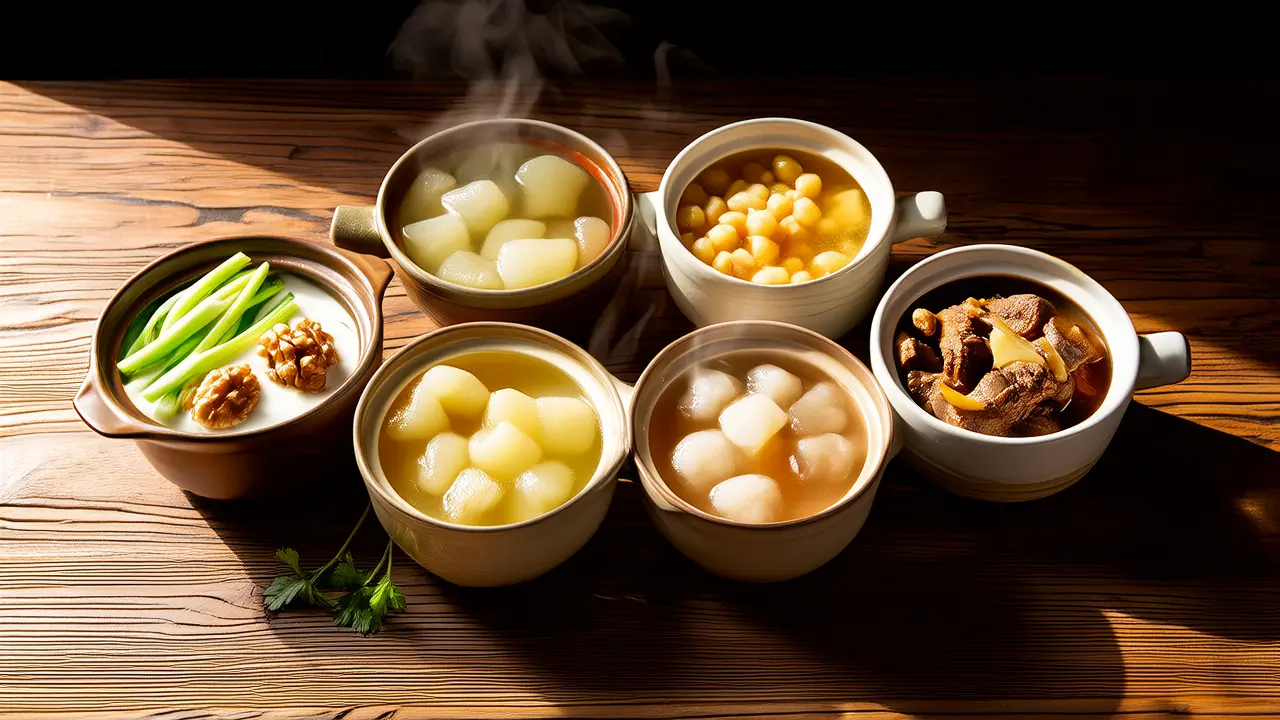
Spring: Soothing the Liver and Boosting Yang, Lightening the Body and Nourishing Hair
Spring is the season of growth and development, with vigorous liver energy. During this time, the diet should be pungent and sweet, reducing sour flavors and increasing sweetness—sour tastes can suppress yang energy, while sweet flavors can nourish the spleen. Recommended:
- Stir-fried Leeks with Walnuts: Leeks warm the body and assist in energy, while walnuts nourish the kidneys and moisten the intestines, suitable for when feeling tired or in low spirits.
- Chinese Yam and Millet Porridge: Chinese yam gently nourishes the spleen and stomach, while millet nourishes the stomach and yin, suitable for those who feel dry mouth upon waking or are prone to bloating.
Summer: Clearing Heat and Removing Dampness, Nourishing Heart Yin
Summer is hot and humid, often leading to irritability, excessive sweating, and poor appetite. The diet should be light, cool, and diuretic.
- Mung Bean and Lily Soup: Mung beans clear heat and detoxify, while lilies moisten the lungs and calm the mind, suitable for drinking when feeling irritable in the afternoon or experiencing dark yellow urine.
- Cucumber, Coix Seed, and Pork Rib Soup: Cucumber promotes urination and cools down, while coix seed strengthens the spleen and removes dampness, suitable for those with edema or a heavy body feeling.
Autumn: Moisturizing Lungs and Generating Body Fluids, Preventing Dryness and Storing Yin
Autumn dryness harms the lungs, often causing dry coughs and dry skin. The diet should focus on moistening and soft foods, reducing pungent flavors and increasing sour ones (as sour flavors can help contain lung energy).
- White Fungus and Pear Porridge: White fungus is rich in gelatinous substances, while pears moisten the lungs and dissolve phlegm. Adding goji berries and red dates, it is suitable for drinking in the afternoon or before bedtime.
- Potato and Pork Rib Soup: Raw potato clears heat, while cooked potato strengthens the spleen. Combined with white radish, it can relieve constipation caused by autumn dryness.
Winter: Warming and Nourishing Kidney Yang, Consolidating and Storing Essence
Winter is the season of closure, where kidney energy dominates. At this time, moderate supplementation is appropriate, but not too hot or stimulating. Warm, rich, and black-colored foods are recommended.
- Angelica and Ginger Lamb Soup: Lamb warms the body and boosts yang energy, while angelica nourishes the blood and promotes circulation, suitable for those with cold hands and feet or sensitivity to cold.
- Black Bean and Walnut Porridge: Black beans nourish the kidneys, while walnuts enhance intelligence. Adding longan fruit, it is suitable for those with soreness in the waist and knees or easy fatigue.
Conclusion: Gentle Adaptation, Valued in Daily Life
Harmonizing yin and yang is not a complicated prescription, but rather integrating the wisdom of "adapting to the four seasons" into daily meals. There is no need to worry about precise measurements; just remember: in spring, reduce sour and increase sweet; in summer, have cooling and nourishing diets with some pungency; in autumn, reduce pungency and increase sour; in winter, choose warm, moist, and rich foods. With appropriate exercise and sufficient sleep, the body can receive the gentlest nourishment in line with natural rhythms.
The content of this article is for general health information only and does not constitute medical advice. If you experience severe discomfort, please consult a professional physician.