Introduction: Spring corresponds to the liver and wood element, a cup of herbal tea nourishes body and mind
As spring brings forth all living things, human liver energy also becomes more vigorous. According to traditional Chinese medicine, the liver governs the smooth flow of qi and stores blood. If liver energy is not smooth in spring, it may lead to irritability, insomnia, and dry eyes. At this time, a mild herbal tea can both follow the season and gently regulate liver energy. This article introduces five common herbal formulas based on the concept of "food and medicine as one," achieving the effects of soothing the mind, calming nerves, and protecting the liver through simple brewing.
Why should we nourish the liver in spring?
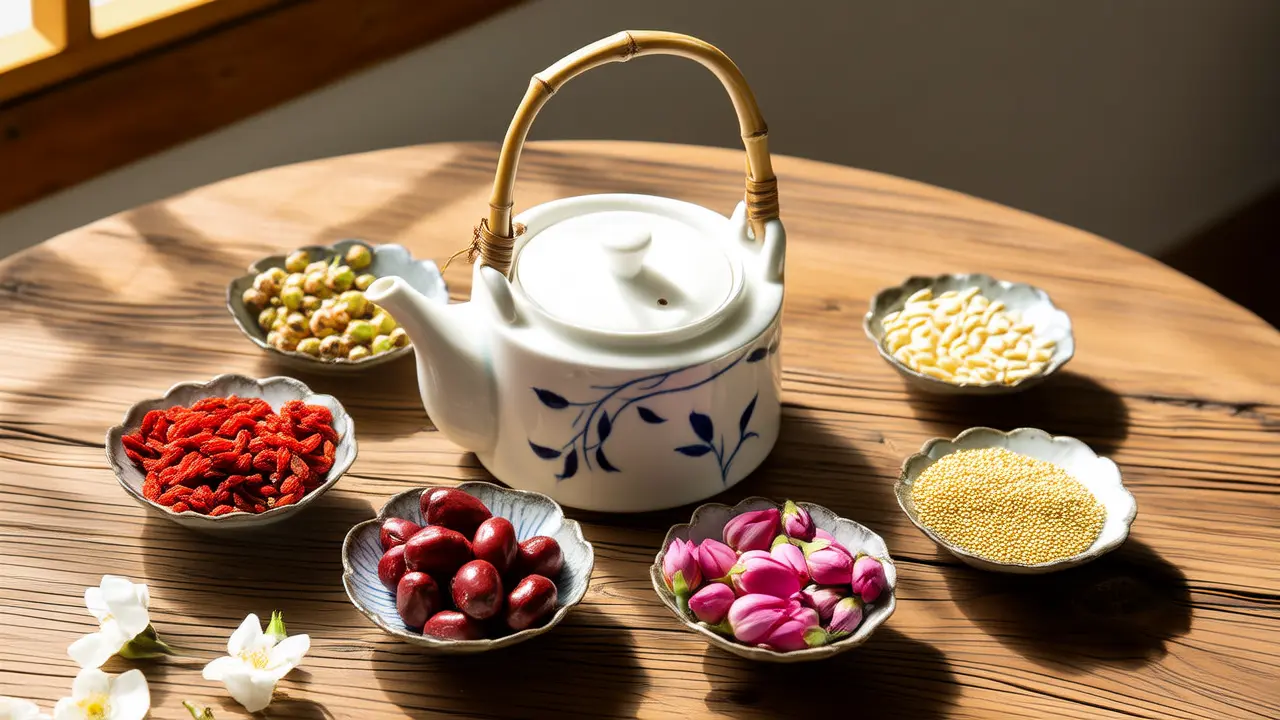
The Yellow Emperor's Classic of Internal Medicine states: "In the three months of spring, this is called the period of renewal." With the rising of yang energy in spring, liver energy should follow suit. If liver energy becomes stagnant, it affects the circulation of qi and blood. Nourishing the liver is not about "treatment," but rather helping the body restore balance through daily diet and tea consumption. Herbal teas are mostly sweet and bland, with fragrant properties that can relieve stagnation and nourish liver yin, without side effects, making them suitable for long-term consumption.
5 Kinds of Herbal Teas for Liver Protection and Nervous System Calming
1. Chrysanthemum and Goji Berry Tea
Ingredients: 5 Hangzhou white chrysanthemums, 10 goji berries.
Preparation: Pour boiling water over them, let steep for 5 minutes before drinking. It can be re-brewed until the flavor fades.
Principle: Chrysanthemum clears the liver and improves vision, while goji berries nourish the liver and kidneys. Together, they alleviate dry eyes, redness, and dizziness, suitable for people who use their eyes a lot.
2. Rose and Mint Tea
Ingredients: 5 dried roses, 3 mint leaves.
Preparation: Pour boiling water over them, let steep for 3-5 minutes. Add mint at the end to maintain its fragrance.
Principle: Rose relieves liver stagnation and regulates qi and blood, while mint dispels wind-heat and clears the head and eyes. It is suitable for those under high stress, prone to chest tightness, or feeling down.
3. Jasmine and Licorice Tea
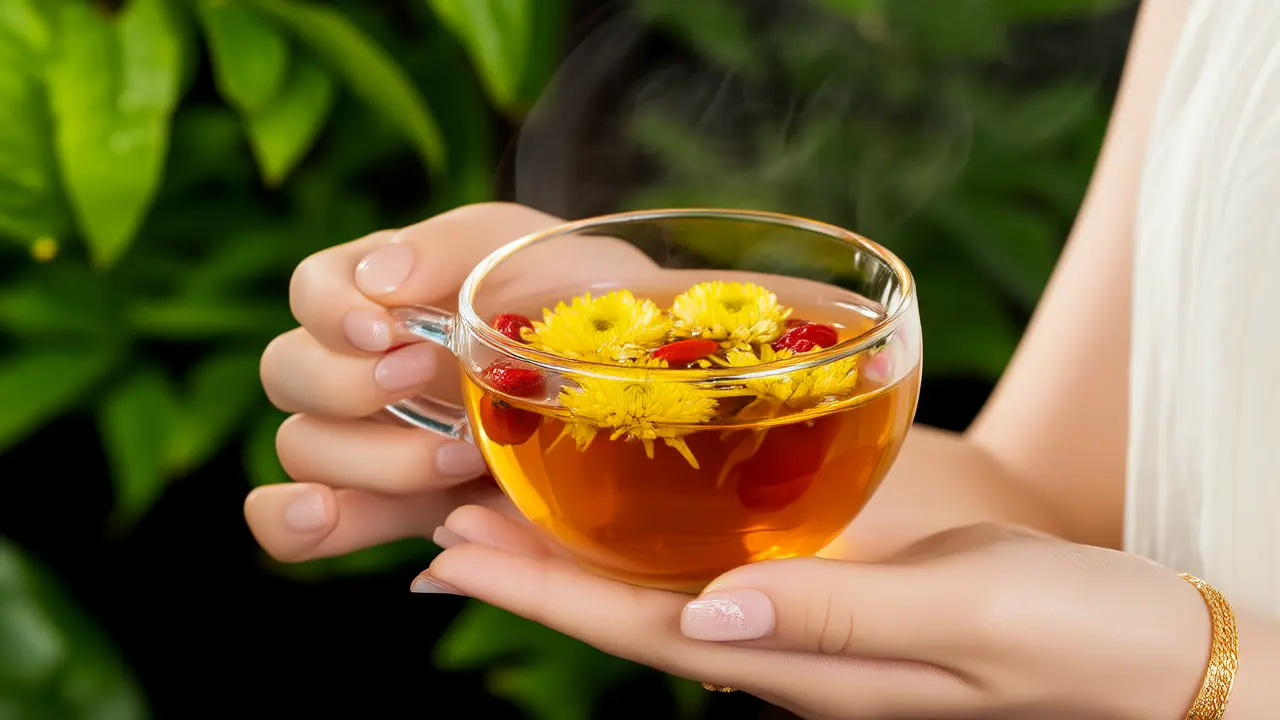
Ingredients: 3 grams of jasmine flowers, 2 licorice slices.
Preparation: Pour boiling water over them, cover and let steep for 3 minutes.
Principle: Jasmine regulates qi, calms the mind, and relieves depression, while licorice strengthens the spleen, boosts qi, and harmonizes other herbs. The taste is sweet and refreshing, helping to relieve tension and promote sleep.
4. Cassia Seed and Tangerine Peel Tea
Ingredients: 10 grams of stir-fried cassia seeds, 5 grams of tangerine peel.
Preparation: Slightly crush the cassia seeds, combine with tangerine peel in a teapot, pour boiling water over them, and steep for 10 minutes.
Principle: Cassia seed clears the liver and improves vision, and moistens the intestines to relieve constipation; tangerine peel regulates qi, dries dampness, and strengthens the spleen and stomach. It is suitable for those with excessive liver fire, dry eyes, or bloating.
5. Mulberry Leaf and Chrysanthemum Tea
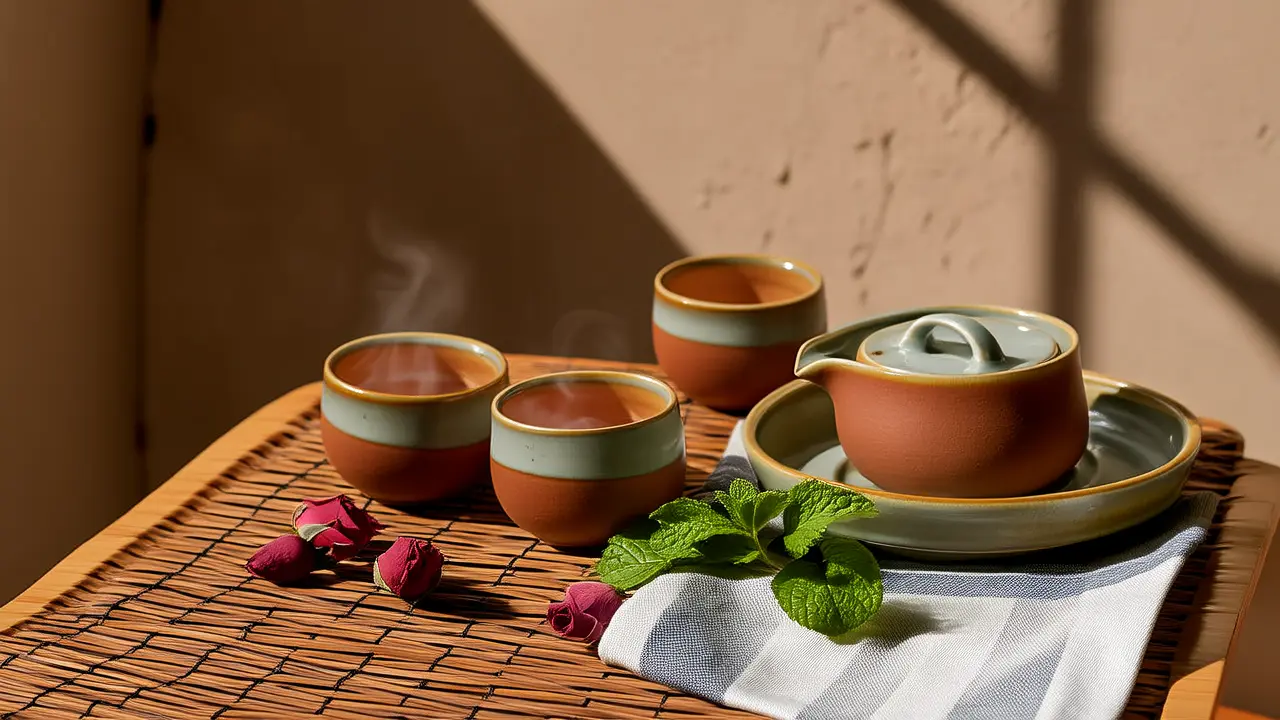
Ingredients: 5 grams of frost-damaged mulberry leaves, 5 chrysanthemum flowers, and an appropriate amount of rock sugar.
Preparation: Place the mulberry leaves and chrysanthemum in a cup, pour boiling water over them, and add rock sugar to adjust the taste.
Principle: Mulberry leaf disperses wind-heat and clears the lungs and moistens dryness, while chrysanthemum soothes the liver and improves vision. It is suitable for early stages of wind-heat colds in spring, and red, swollen eyes.
Drinking Tips
- Water temperature: Boiling water above 95°C is best, which helps extract active ingredients effectively.
- Time: Drink in the morning or afternoon, avoid drinking large amounts before bedtime (unless it contains calming ingredients).
- Continuity: You can drink continuously for 2-3 weeks, then take a week off to observe your body's reaction.
- Contraindications: Pregnant women and those with weak spleen and stomach should consult a TCM doctor; those allergic to pollen should use caution.
Summary: Follow the seasons, gently nourish the liver
Nourishing the liver in spring focuses on "dispersing" and "nourishing." The five herbal tea recipes mentioned above are made from everyday ingredients, easy to prepare, and can effectively relieve discomfort caused by unsmooth liver energy. Remember, the core of health preservation is balance rather than forceful supplementation. Incorporating this cup of tea into your morning and evening routine, combined with regular sleep and a relaxed mood, is the most natural liver protection remedy.