Introduction: Adapting to the Seasons, the Wisdom of Health in a Cup of Tea
Traditional Chinese medicine emphasizes "the origin of medicine and food," where many common household ingredients and flowers are essentially mild "medicines." As the seasons change, our bodies also have different needs according to the climate: we tend to feel sleepy in spring, irritable in summer, dry in autumn, and cold in winter. By combining common dried fruits, flowers, and roots into a warm herbal tea, without needing complex techniques, we can gently adjust our body's condition, bringing more peace and comfort to each day. The following four seasonal herbal tea recipes use simple ingredients and easy methods, suitable for daily consumption by the whole family.
Spring: Jasmine Flower and Goji Berry Revitalizing Tea
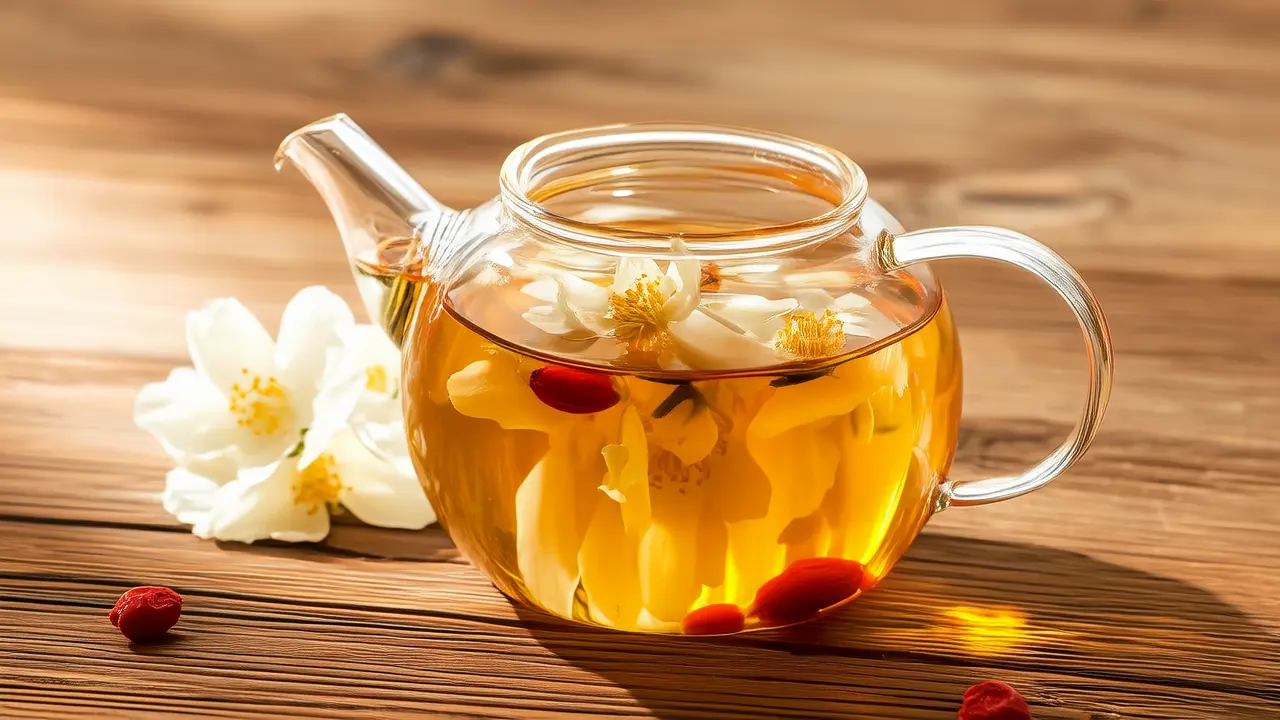
Appropriate for discomforts: Spring fatigue, dry eyes, and low mood.
Ingredients preparation: Dried jasmine flowers 1 small pinch (about 1g), goji berries 10 pieces, 1 black tea bag (optional), and appropriate honey.
Preparation steps: Add jasmine flowers, goji berries, and a tea bag into a cup, pour about 300ml of 90-degree hot water, cover and steep for 5 minutes. Remove the tea bag, add a spoonful of honey after the tea cools down a bit.
Mild adjustment principle: Jasmine flower helps relieve liver stagnation and promote yang energy; goji berries nourish liver blood and improve eyesight; black tea warms the stomach and invigorates the mind. Combined, they both alleviate spring fatigue without harming the spleen and stomach, making one feel energetic.
Summer: Lotus Leaf and Mint Cooling Tea
Appropriate for discomforts: Heat-induced thirst, poor appetite, and short, dark urine.
Ingredients preparation: Dried lotus leaf 1 small piece (about 5g), fresh mint leaves 3-5 pieces, 1 plum, and a little rock sugar.
Preparation steps: Tear the dried lotus leaf and put it together with the plum into a pot, add 500ml of water, boil, then simmer for 10 minutes on low heat. Turn off the heat, add mint leaves, and let it steep for 3 minutes. Filter and add rock sugar, stirring until dissolved. Drink chilled or at room temperature.
Mild adjustment principle: Lotus leaf lifts clear energy and reduces turbidity, clearing heat and eliminating dampness; mint disperses wind-heat and clears the head and eyes; plum quenches thirst. This tea helps the body expel summer heat and restore the function of the spleen and stomach, serving as a natural "cooling drink."
Autumn: Pear, Tremella, and Ophiopogon Moisturizing Tea
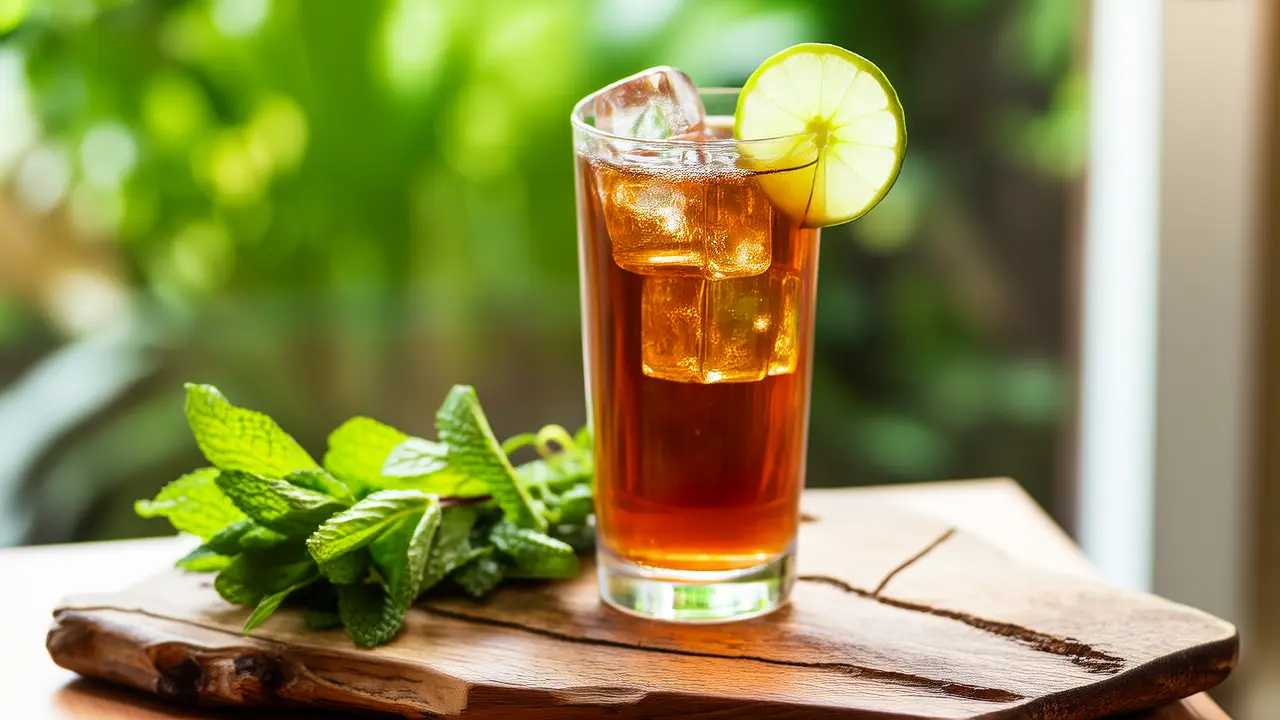
Appropriate for discomforts: Autumn dry cough, dry skin, and sore throat.
Ingredients preparation: 1 pear, 5g dried tremella (about 30g after soaking), 6g ophiopogon tuber, and appropriate rock sugar.
Preparation steps: Soak the tremella in advance and tear it into small pieces, cut the pear into small pieces after peeling. Put all ingredients (except rock sugar) into a health pot or small pot, add 600ml of water, bring to a boil over high heat, then simmer for 40 minutes on low heat until the tremella is soft and the soup is slightly sticky. Finally, add rock sugar and stir until dissolved.
Mild adjustment principle: Pear moistens the lungs and clears heat; tremella nourishes yin and moisturizes dryness; ophiopogon tuber nourishes yin and generates body fluids. Combined, they moisturize the lungs and skin from inside out, alleviating discomfort caused by autumn dryness.
Winter: Longan, Red Date, and Ginger Tea
Appropriate for discomforts: Cold hands and feet, sensitivity to cold, cold stomach, and menstrual discomfort.
Ingredients preparation: 6 pitted dried longans, 3 pitted red dates, 3 slices of ginger, and a small piece of brown sugar.
Preparation steps: Place longans, red dates, and ginger slices in a cup, pour 300ml of boiling water, cover and steep for 15 minutes. Add brown sugar and stir until dissolved. It can be re-brewed until the flavor fades.
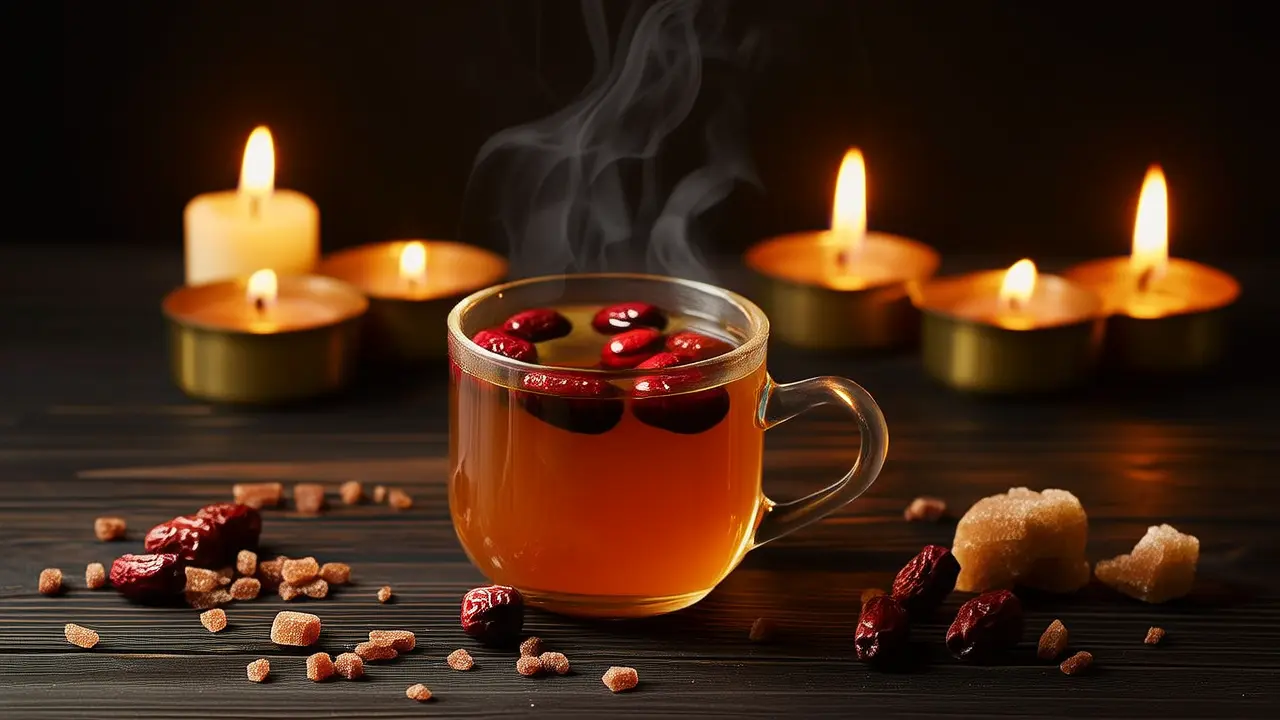
Mild adjustment principle: Longan nourishes blood and calms the mind; red dates tonify the middle energizer and boost qi; ginger dispels wind-cold and warms the center to stop vomiting. This tea helps to generate yang energy and drive away cold, especially suitable for people with cold constitution to keep warm during winter.
Summary
Herbal tea is not medicine, but part of daily diet. By reasonably combining common household ingredients, we can naturally adapt to seasonal changes and soothe minor physical discomforts. No matter how busy work is, spending three to five minutes to brew a seasonally appropriate herbal tea for yourself is a gentle care for your body. Remember, health preservation doesn't require heavy supplementation, but lies in gradual and consistent efforts.