Introduction: Home Remedies for Qi and Blood Deficiency
In today's fast-paced life, people often feel tired, weak, and have a dull complexion, which is often related to qi and blood deficiency. According to traditional Chinese medicine, qi and blood are the foundation of the body's vital activities. By gently nourishing through daily diet, it can effectively improve physical condition. Below are four simple herbal teas and porridges that are easy to prepare at home, helping you maintain your qi and blood while cooking regularly, and regain a healthy glow.
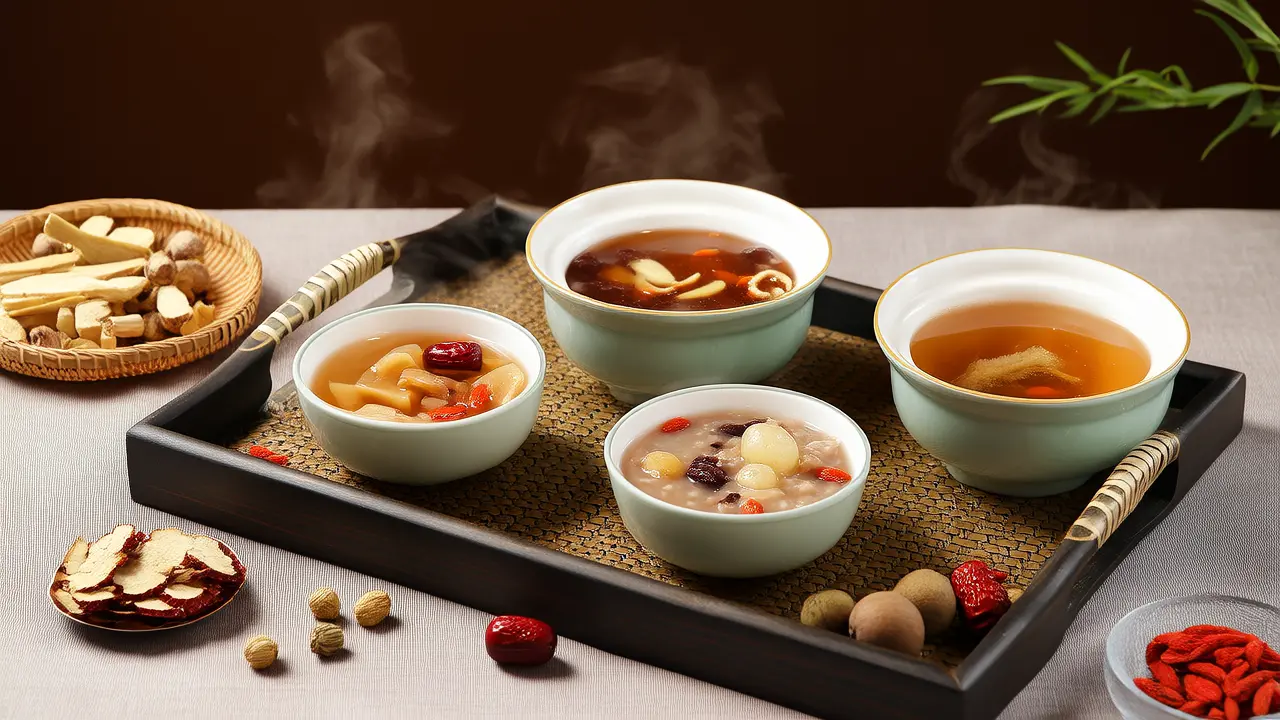
One, Huangqi Red Date Tea - A Classic Formula for Nourishing Qi
Applicable Conditions: Easily fatigued, speaking with little energy, shortness of breath after slight activity.
Ingredients: 10g fresh Huangqi, 5 red dates (pitted), a small amount of goji berries (about 5g).
Instructions: Put Huangqi and red dates into a health pot or clay pot, add 600ml water, boil over high heat then simmer for 15 minutes. Add goji berries before turning off the heat and let it steep for 3 minutes. It can be reinfused until the flavor fades.
Mild Principle: Huangqi is known as "the king of qi tonics," combined with red dates to nourish the middle jiao and enrich blood, and goji berries to moisten yin. Together, they replenish qi without causing dryness, suitable for daily tea consumption.
Two, Longan Rose Tea - Warming, Beauty-enhancing and Mood-lifting
Applicable Conditions: Pale complexion, cold hands and feet, easily depressed mood, chest tightness when under stress.
Ingredients: 8 pieces of dried longan meat, 5 dried rose flowers,适量 of brown sugar or honey (optional).
Instructions: Soak longan meat in hot water first, then put them together with rose flowers into a cup, pour 300ml boiling water, cover and steep for 5 minutes. Women can add a small piece of brown sugar before or after their period.
Mild Principle: Longan nourishes the heart and spleen, enriches blood and calms the mind; rose flowers relieve liver stagnation, promote blood circulation and regulate menstruation. Combined, they improve mood and nourish qi and blood.
Three, Yam and Lotus Seed Porridge - Daily Nourishment for Spleen and Stomach
Applicable Conditions: Poor appetite, bloating after meals, loose stools, and those who are physically weak for a long time.
Ingredients: 100g iron rod yam, 20 lotus seeds (core removed), 50g rice, 30g glutinous rice, a little rock sugar.
Instructions: Soak lotus seeds for 2 hours in advance, cut yam into small pieces after peeling. Wash rice and glutinous rice, then put them together with lotus seeds into a pot, add 800ml water, boil over high heat then simmer for 30 minutes, then add yam pieces and continue to cook for 15 minutes until the porridge is thick and the rice is soft, then add rock sugar for seasoning.
Mild Principle: Yam nourishes the spleen and stomach, generates body fluids and benefits the lungs; lotus seeds nourish the spleen, stop diarrhea, and calm the mind. Since the spleen and stomach are the source of qi and blood production, this porridge helps generate qi and blood from the root.
Four, Angelica Chicken Soup - A Classic Nourishing Soup That Is Not Greasy
Applicable Conditions: Weakness after childbirth or surgery, pale complexion, frequent dizziness, light menstrual flow with pale color.
Ingredients: 2 chicken legs (or wings), 3g angelica, 5g Huangqi, 3 red dates, 3 slices of ginger, salt as needed.
Instructions: Boil chicken pieces to remove blood impurities, then put them together with angelica, Huangqi, red dates, and ginger slices into a clay pot, add about 1500ml water, boil over high heat then simmer for 40 minutes. Add salt for seasoning before serving. The soup is clear and the meat is tender, it is recommended to drink 2-3 times per week.
Mild Principle: Angelica is known as the "sacred herb for blood replenishment," combined with Huangqi to strengthen qi and promote blood production, and chicken soup warms the middle and nourishes deficiency. This formula has a mild nature, suitable for long-term family conditioning.
Summary: Follow the Seasons, Gradual and Steady
It is important to persist in regulating qi and blood, and it should not be rushed. The above teas and porridges can be flexibly combined according to the seasons and individual constitution: drink more floral teas in spring and summer, and focus on warming porridges in autumn and winter. At the same time, pay attention to regular sleep and moderate exercise, combining internal and external care, so that qi and blood can truly be sufficient and circulate smoothly. May these home remedies bring you warmth and health.