Introduction: Is Your Shoulder and Neck Asking for Help?
Long periods of working hunched over a desk or looking down at your phone have left many people with stiff and sore shoulders and necks. According to Traditional Chinese Medicine, this is a sign of blocked meridians and poor circulation of qi and blood. Actually, there's no need to go to a therapy clinic; you can self-regulate at home through simple acupressure. Today, I share three safe and easy acupressure techniques to help unblock the shoulder and neck meridians, balance the qi and blood, and relieve discomfort.
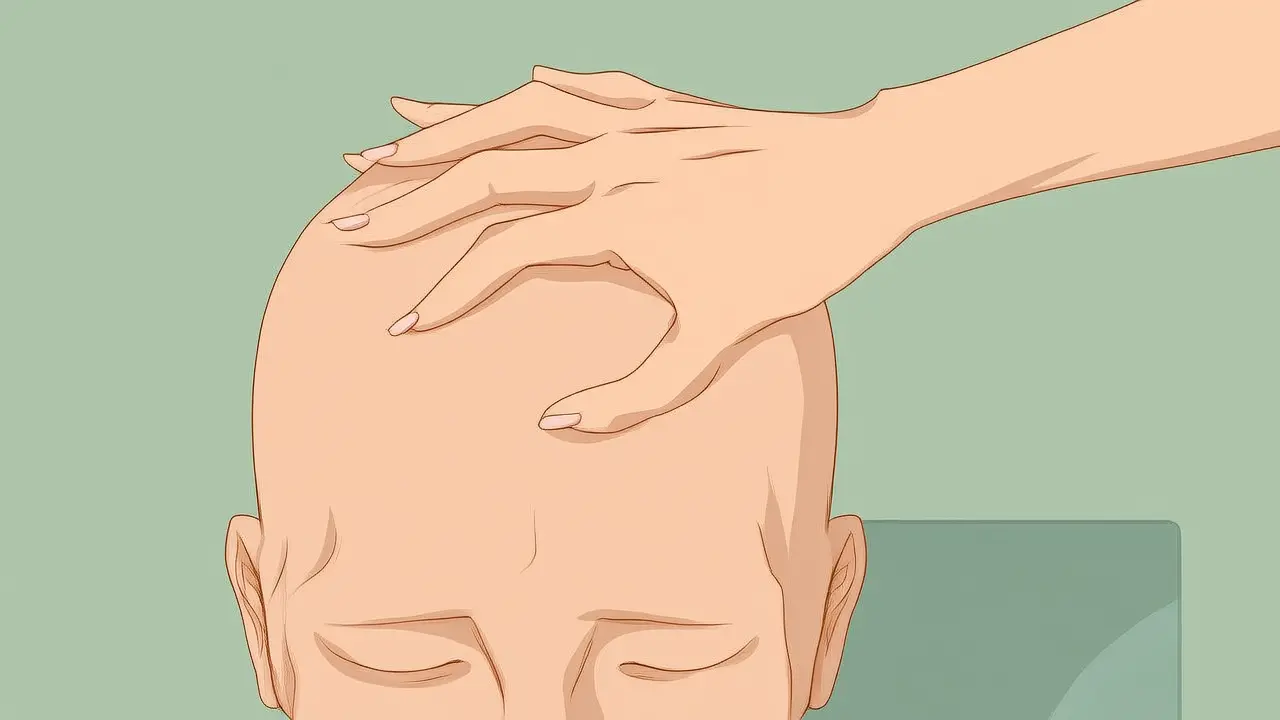
1. Fengchi (Wind Pool) Point: Relieve Tension in the Head and Neck
Applicable Area
Stiffness and headache in the back of the neck and the back of the head.
Location
At the back of the neck, in the depression on both sides of the hairline, level with the earlobe.
Operation Method
- Place the thumbs of both hands on each Fengchi point, and use the other fingers to fix the head.
- Gently press towards the opposite eye socket with the fingertips, with a moderate pressure that causes a sensation of soreness and distension, not too strong.
- Keep breathing evenly, press for 5-10 seconds, then relax, repeating 20 times.
Mild Regulation Principle
Fengchi is an important point of the Foot-Shaoyang Gallbladder Meridian, which can dispel wind and cold, and unblock the meridians to relieve pain. Gentle pressing can relax the muscles at the back of the neck, improve blood supply to the head, and alleviate stiffness caused by poor posture.
2. Jianjing (Shoulder Well) Point: Alleviate the Heaviness of Shoulders
Applicable Area
Stiff and painful shoulders, difficulty in turning the neck freely.
Location
On the shoulder, at the midpoint of the line connecting the point directly above the nipple and the acromion, and also at the midpoint of the line connecting the Dazhu (Large Vertebra) point (the protrusion at the back of the neck) and the acromion.
Operation Method
- Use the middle finger or thumb of the opposite hand to press the Jianjing point.
- Combine with lowering the shoulders and exhaling, slowly press downward, feeling the shoulder muscles stretch. Hold for 20 seconds, then switch sides and repeat.
- Press each side 3-5 times per session, and perform the movements slowly.
Mild Regulation Principle
Jianjing is a meeting point of the Hand-Shaoyang Triple Energizer Meridian and the Foot-Shaoyang Gallbladder Meridian, known as the "shoulder and neck pressure valve." Stimulating this point can unblock the qi and blood in the shoulder area, relieve muscle spasms, and restore a relaxed feeling to the shoulders.
3. Houxi (After Stream) Point: Remote Regulation, Alleviate Cervical Discomfort
Applicable Area
Cervical pain, stiffness in the neck after bending forward.
Location
At the end of the transverse crease behind the metacarpophalangeal joint of the little finger when making a fist.
Operation Method
- Press the Houxi point of one hand with the thumb of the other hand while slowly rotating the neck.
- Apply gentle pressure, with a slight pain sensation being ideal. Rotate five times in each direction, then switch hands and repeat.
- You can also press and rotate the Houxi points of both hands against the edge of a table.
Mild Regulation Principle
Houxi is the transport point of the Hand-Taiyang Small Intestine Meridian, and it connects to the Du (Governor) Vessel. The Du Vessel runs along the spine's center, so stimulating Houxi can indirectly regulate the cervical qi and blood, especially suitable for long-term低头族 (people who spend a lot of time looking down) for daily health maintenance.
Summary: 5 Minutes Daily, Cultivate a Gentle Health Habit
The above three acupressure methods require no special tools and can be done during TV watching or office breaks. By consistently spending 5 minutes daily to gently press these points, you can effectively unblock meridians, balance qi and blood, and relieve shoulder and neck discomfort. However, please remember that acupressure is a daily regulatory method and cannot replace medical treatment. If the pain persists or worsens, seek medical attention promptly.
Disclaimer: The content of this article is for health reference only and does not constitute medical advice. Stop immediately if you feel uncomfortable during acupressure. People with severe cervical spondylosis, skin injuries, or pregnant women should use caution and consult a professional physician if necessary.